
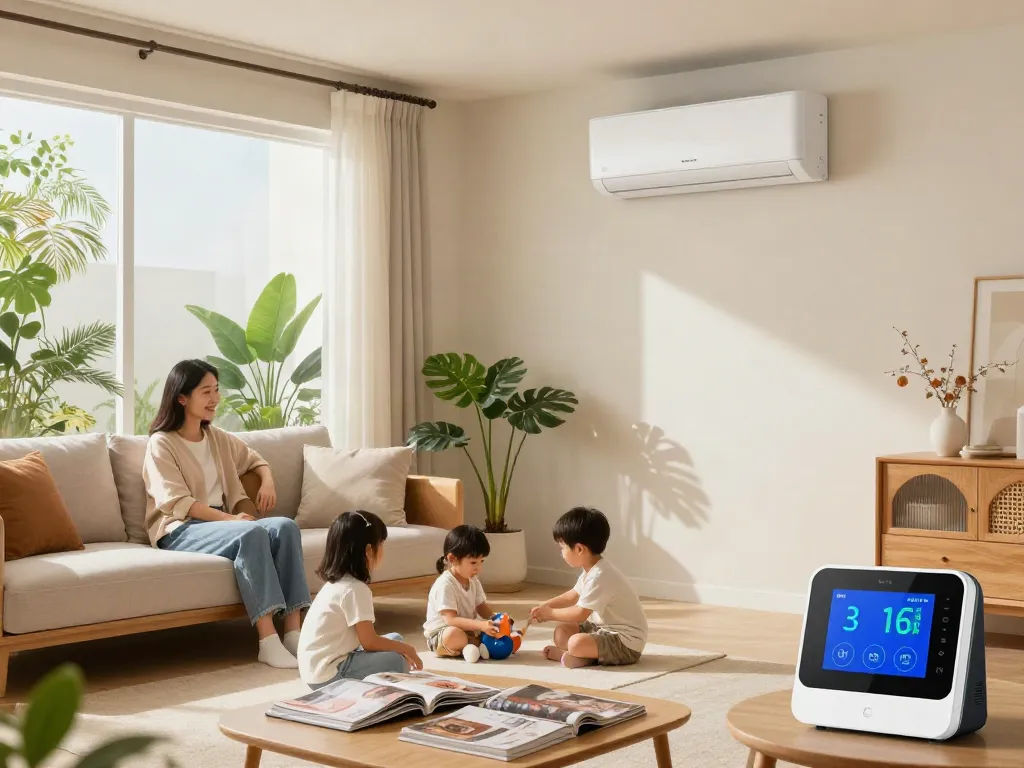
Understanding Ductless AC Systems
Ductless air conditioning (AC) systems, also known as mini-split systems, have gained immense popularity in recent years due to their flexibility and energy efficiency. These systems provide a reliable means of heating and cooling homes without the need for extensive ductwork, making them an ideal solution for many homeowners. In this comprehensive guide, we will explore what ductless AC is, how it works, and the numerous benefits it offers. When exploring options, ductless ac provides comprehensive insights into the latest models available in the market.
What is a Ductless AC?
A ductless AC system consists of an outdoor compressor unit and one or more indoor air-handling units. Unlike traditional central AC systems that rely on ductwork to distribute conditioned air throughout a space, ductless mini-splits offer a direct approach. This system allows homeowners to cool or heat individual rooms or zones, providing tailored comfort. Ductless systems are particularly beneficial for homes without pre-existing ductwork, room additions, or small spaces where installing ducts would be impractical.
How Ductless AC Works
The operation of ductless AC systems is straightforward yet innovative. The outdoor unit houses the compressor and condenser, while the indoor units contain the evaporator coils. Here's a brief rundown of how they function:
- The outdoor unit collects ambient air and compresses it, raising the temperature and pressure of the refrigerant inside.
- The hot refrigerant is then sent to the indoor unit, where it passes through the evaporator coils.
- As air from the room passes over these coils, it absorbs heat from the refrigerant, effectively cooling the air.
- The cooled air is blown back into the room, while the refrigerant returns to the outdoor unit to repeat the cycle.
In heating mode, the process is reversed. The outdoor unit extracts heat from the outside air and transfers it indoors, providing efficient warmth even in colder climates.
Benefits of Choosing Ductless AC
Ductless AC systems offer several key advantages over traditional systems, making them a popular choice among homeowners:
- Energy Efficiency: Ductless systems often have higher SEER (Seasonal Energy Efficiency Ratio) ratings, which translates to lower energy bills.
- Zonal Climate Control: With multiple indoor units, homeowners can customize temperatures in different rooms, enhancing comfort.
- Space Saving: The absence of ductwork allows for more flexible interior design and saves valuable space.
- Ease of Installation: Ductless systems require only a small hole in the wall for installation, making them less intrusive and faster to set up.
- Flexible Design Options: Indoor units come in various styles, including wall-mounted, ceiling-mounted, and even floor-mounted models.
Installation Considerations for Ductless AC
Installing a ductless air conditioning system requires careful planning and consideration. A successful installation not only enhances comfort but also improves the efficiency of the system. Here are vital considerations to keep in mind:
Site Assessment for Installation
Before installation, it’s crucial to assess the site. This involves evaluating the layout of your home, the number of indoor units required, and the best locations for the outdoor unit. Professional assessment ensures that the system will perform optimally according to your needs and the spatial dynamics of your home.
Choosing the Right Ductless AC Size
Size matters when it comes to cooling and heating efficiency. An undersized system will struggle to maintain comfortable temperatures, while an oversized system may cycle on and off too frequently, leading to increased energy consumption and wear. A qualified HVAC technician can perform a load calculation to determine the appropriate size based on room dimensions, insulation levels, and local climate.
Cost Factors in Ductless AC Installation
The cost of installing a ductless AC system can vary significantly based on several factors:
- System Size: Larger systems with multiple indoor units will naturally be more expensive.
- Installation Complexity: Difficult installations requiring additional labor, such as retrofitting existing structures, can drive up costs.
- Brand and Features: Premium brands and models with advanced features come at a higher price point.
It’s essential to obtain multiple quotes from licensed HVAC contractors to ensure you receive a fair price.
Efficiency and Performance Metrics
Understanding the efficiency and performance metrics of ductless AC systems is vital for making informed purchasing decisions. These measurements help homeowners evaluate their potential energy savings and overall effectiveness.
Understanding SEER Ratings
SEER ratings are a crucial metric for evaluating the efficiency of air conditioning systems. The higher the SEER rating, the more efficient the unit. Most modern ductless systems have SEER ratings ranging from 16 to 26, with higher ratings indicating better energy performance. Investing in a high-SEER model can lead to substantial savings on energy bills over the lifespan of the system.
Energy Savings with Ductless AC
One of the most compelling reasons to invest in ductless AC is the potential for significant energy savings. According to the U.S. Department of Energy, ducted systems lose about 30% of energy due to leaks and poor insulation in the ductwork. Ductless systems eliminate these losses, ensuring that almost all the energy consumed goes directly into heating or cooling your living space.
Maintaining Optimal Performance
To maximize the efficiency and lifespan of your ductless AC system, regular maintenance is crucial. Here are some recommended practices:
- Keep the filters clean and replace them as needed to ensure optimal airflow and efficiency.
- Schedule annual professional maintenance to check refrigerant levels, clean coils, and inspect electrical components.
- Monitor the system for unusual noises or reduced airflow, which could indicate a need for repairs.
Common Challenges with Ductless AC
While ductless AC systems offer several benefits, they also come with challenges that homeowners should be aware of.
Installation Missteps to Avoid
Improper installation can lead to inefficiencies and costly repairs. Common mistakes include:
- Incorrect placement of indoor units, leading to inadequate airflow.
- Failing to consider insulation needs, which can affect system performance.
Working with certified professionals can help avoid these pitfalls.
Common Misunderstandings
There are several misconceptions about ductless AC systems that can prevent homeowners from considering them:
- Many believe that ductless systems can only cool spaces; however, they also provide efficient heating.
- There is a perception that ductless units are noisy, but modern models operate quietly and efficiently.
Repair and Maintenance Needs
Ductless systems may require specialized knowledge for repairs. It is essential to use qualified technicians familiar with the nuances of ductless technologies to ensure correct service and maintenance.
Future Trends in Ductless AC Technology
The ductless AC industry is continuously evolving, with new technologies and trends emerging that enhance performance, efficiency, and user experience.
Innovative Features in 2026 Models
As we move deeper into 2026, manufacturers are focusing on integrating smart technology into ductless systems. Features such as programmable thermostats, remote control via smartphones, and self-diagnosing capabilities are becoming standard, allowing users to optimize their comfort with minimal effort.
Smart Home Integration
Smart home integration is a significant trend in the HVAC industry. Ductless AC units can now seamlessly connect with home automation systems, enabling users to control their indoor climate through voice commands or mobile applications, enhancing convenience and efficiency.
Eco-Friendly Developments in HVAC
With growing awareness of environmental issues, many manufacturers are investing in eco-friendly refrigerants that minimize the impact on the ozone layer. Additionally, systems designed for greater energy efficiency help reduce a home's overall carbon footprint.
What are the main benefits of ductless AC?
The primary benefits of ductless AC include energy efficiency, zonal climate control, and flexibility in design. Homeowners can save on energy costs while enjoying customized comfort across different rooms.
How much does ductless AC installation cost?
Ductless AC installation costs vary based on system size, complexity of installation, and brand. On average, homeowners can expect to spend between $3,000 to $5,000, including units and installation.
How do I maintain my ductless AC system?
To maintain a ductless AC system, regularly clean or replace filters, schedule annual professional maintenance, and monitor for signs of wear or inefficiency.
Are there any disadvantages to ductless AC?
While ductless AC systems offer numerous benefits, they can have higher upfront costs compared to traditional systems and may require additional indoor units for larger homes, which can add to the expense.
Can ductless AC heat my home effectively?
Yes, ductless AC systems are capable of efficiently heating homes. Many models include heat pump technology, allowing them to maintain comfortable temperatures in colder climates.